
Patricia Neal
American actress who won an Academy Award for Hud.

via Wikipedia: Patricia Neal · see source
Patricia Neal (born Patsy Louise Neal; January 20, 1926 – August 8, 2010) was an American actress of stage and screen. A major star of the 1950s and 1960s, she is well known for playing World War II widow Helen Benson in The Day the Earth Stood Still (1951), radio journalist Marcia Jeffries in A Face in the Crowd (1957), wealthy matron Emily Eustace Failenson in Breakfast at Tiffany's (1961), and the worn-out housekeeper Alma Brown in Hud (1963), for which she won the Academy Award for Best Actress. She also featured as the matriarch in the television film The Homecoming: A Christmas Story (1971); her role as Olivia Walton was re-cast for the series it inspired, The Waltons. She was the recipient of an Academy Award, a Golden Globe Award, a Tony Award, and two British Academy Film Awards, and was nominated for three Primetime Emmy Awards.
- born
- January 20, 1926, Packard, Whitley County, Kentucky
- died
- August 8, 2010
- field
- Actress (stage and screen)
- nationality
- American
- known_for
- The Day the Earth Stood Still (1951), A Face in the Crowd (1957), Breakfast at T
Verified Timeline
Lore & Background
Neal was born in Packard, Whitley County, Kentucky, and grew up in Knoxville, Tennessee, where she attended Knoxville High School. She studied drama at Northwestern, where she was a member of Pi Beta Phi sorority and was crowned Syllabus Queen in a campus-wide beauty pageant. She left Northwestern after talent scouts convinced her to leave for New York. Her first job in New York was as an understudy in the Broadway production of The Voice of the Turtle. She next appeared in Lillian Hellman's Another Part of the Forest (1946), winning the 1947 Tony Award for Best Featured Actress in a Play in the first presentation of the Tony awards. She made her film debut with Ronald Reagan in John Loves Mary in 1949. Her work in The Fountainhead (1949) coincided with an affair with married co-star Gary Cooper; she worked with him again in Bright Leaf (1950). She suffered a nervous breakdown after the end of that relationship and left Hollywood for New York, returning to Broadway in 1952 for a revival of The Children's Hour. While in New York, she became a member of the Actors Studio. She co-starred in the film A Face in the Crowd (1957), the play The Miracle Worker (1959), the film Breakfast at Tiffany's (1961), and the film Hud (1963). She won the Academy Award for Best Actress for Hud, and also received awards from the New York Film Critics, the National Board of Review, and a BAFTA award. She was re-united with John Wayne in In Harm's Way (1965), winning her second BAFTA Award. Her next film was The Subject Was Roses (1968), for which she was nominated for an Academy Award. She starred as the matriarch in the television film The Homecoming: A Christmas Story (1971), winning a Golden Globe. She played a dying widowed mother in an episode of NBC's Little House on the Prairie broadcast in 1975. She appeared in television commercials for Anacin and Maxim instant coffee. In her later years, she played the title role in Robert Altman's Cookie's Fortune (1999) and appeared in the documentary Beyond Baklava: The Fairy Tale Story of Sylvia's Baklava (2007). She received a lifetime achievement award at the SunDeis Film Festival in 2007 and from WorldFest Houston in April 2009. She was inducted into the American Theatre Hall of Fame in 2003.
Reader's Guide
Patricia Neal's career spanned stage, film, and television, with notable performances in classic films such as The Day the Earth Stood Still, A Face in the Crowd, Breakfast at Tiffany's, and Hud. Her Academy Award-winning role in Hud cemented her reputation as a powerful dramatic actress. She also originated the role of Olivia Walton in The Homecoming: A Christmas Story, though the part was re-cast for the subsequent television series The Waltons due to concerns about her health. Neal's personal life included a highly publicized affair with Gary Cooper, marriage to writer Roald Dahl, and the tragic loss of a daughter to measles encephalitis. She suffered three cerebral aneurysms while pregnant in 1965 and was in a coma for three weeks; Variety magazine ran her obituary, but she survived with the assistance of Dahl and volunteers who developed a grueling style of therapy that fundamentally changed stroke patient treatment. She had to relearn to walk and talk, and later was nominated for an Oscar for The Subject Was Roses. Her marriage ended in divorce in 1983 after Dahl's 11-year affair. Neal's legacy includes being the last surviving winner from the first Tony Awards ceremony in 1947, and her work in health-care videos in her final years.
Did You Know?
- Neal was crowned Syllabus Queen in a campus-wide beauty pageant at Northwestern University.
- She won the 1947 Tony Award for Best Featured Actress in a Play in the first presentation of the Tony awards.
- Variety magazine ran her obituary after she suffered three cerebral aneurysms while pregnant in 1965, but she survived.
- She became the last surviving winner from the first Tony Awards ceremony in 1947.
- Neal became a Catholic four months before she died in 2010.
A Career Spanning Stage and Screen
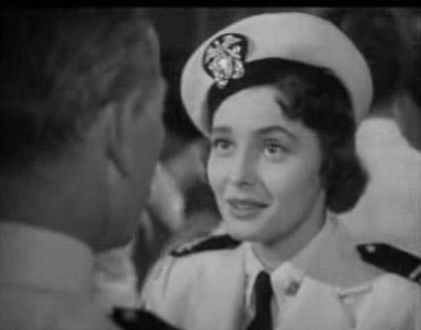
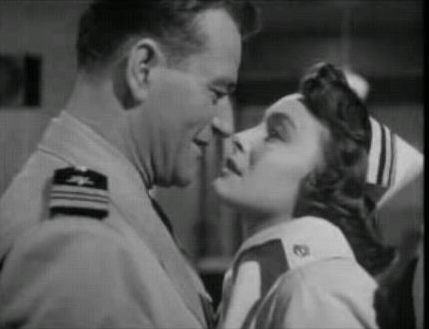
Patricia Neal's professional life stretched across more than five decades, touching Broadway, Hollywood, and television. She began in New York as an understudy in The Voice of the Turtle before landing a featured role in Lillian Hellman's Another Part of the Forest, which earned her the 1947 Tony Award for Best Featured Actress in the very first ceremony of that kind. Her film career launched in 1949 with two projects alongside Ronald Reagan and a role in The Fountainhead. The early 1950s brought high-profile collaborations: John Garfield in The Breaking Point, Michael Rennie in The Day the Earth Stood Still, and John Wayne in Operation Pacific. After a period away from Hollywood, she re-entered through the Actors Studio, where fellow members opened doors to A Face in the Crowd, The Miracle Worker, Breakfast at Tiffany's, and ultimately Hud, for which she took home the Academy Award for Best Actress. Her honors also included two BAFTA Awards, a Golden Globe, and three Emmy nominations, cementing her status as a major star of the 1950s and 1960s.
The Gary Cooper Affair and a Career Reckoning
In 1947, twenty-one-year-old Neal met forty-six-year-old Gary Cooper, and their relationship—conducted while Cooper was still married—became a defining disruption in her early career. Cooper's wife confronted him, and he admitted his feelings for Neal; the couple remained separated but never divorced. The emotional toll was severe: around 1951, after the relationship ended, Neal suffered a nervous breakdown and walked away from Hollywood entirely, retreating to New York. She reasserted herself on Broadway in 1952 with a revival of The Children's Hour and later in A Roomful of Roses. Her path back to the screen was forged through the Actors Studio, where connections led to Elia Kazan's A Face in the Crowd, Arthur Penn's The Miracle Worker, and Martin Ritt's Hud. That 1963 film, co-starring Paul Newman, delivered the career-defining performance that critics and juries recognized as a Best Actress role rather than a supporting one, ultimately earning her the Oscar.
Last of the First Tonys and a Lasting Legacy
Neal's 1947 Tony Award placed her in a unique historical position: she eventually became the last surviving winner from that inaugural ceremony. In 2006, while preparing to present an award to Cynthia Nixon, her original Tony had been lost, and Bill Irwin surprised her with a replacement trophy on stage. Beyond that singular distinction, her legacy was marked by sustained recognition. She was inducted into the American Theatre Hall of Fame in 2003, received a lifetime achievement award from WorldFest Houston in 2009, and shared the SunDeis Film Festival's Lifetime Achievement Award in 2007 alongside Roy Scheider. Her 1971 television film The Homecoming: A Christmas Story inspired The Waltons, though creator Earl Hamner explained that concerns about Neal's health and ability to commit to a weekly schedule led producers to cast Michael Learned as Olivia Walton instead. Neal also appeared in health-care videos in her final years and was the subject of a 1978 episode of This Is Your Life, where Eamonn Andrews surprised her at a London cocktail party.
Roots, Education, and Life After the Limelight
Before the stage and screen, Patsy Louise Neal grew up in Packard, Whitley County, Kentucky, and later Knoxville, Tennessee, where she attended Knoxville High School and then studied drama at Northwestern University. There she joined the Pi Beta Phi sorority and was crowned Syllabus Queen in a campus beauty pageant. Talent scouts ultimately convinced her to leave school and head for New York, launching a career that would span generations. In her later years, Neal's work took on a different character. She appeared in a 2007 documentary, Beyond Baklava: The Fairy Tale Story of Sylvia's Baklava, speaking as herself about alternative ways to end violence in the world. She took on the title role in Robert Altman's 1999 film Cookie's Fortune and played a dying widowed mother in a 1975 episode of Little House on the Prairie. She also fronted television commercials for Anacin and Maxim instant coffee during the 1970s and 1980s, and maintained a long association with Philip Langner's Theatre at Sea productions. She passed away on August 8, 2010.
Gallery
Frequently Asked Questions
Who is Patricia Neal?
Patricia Neal was an American stage and screen actress who became one of the defining leading ladies of 1950s and 1960s Hollywood. She earned both a Best Actress Academy Award and a lasting place in classic cinema for her range across drama, comedy, and television.
What film earned Patricia Neal her Oscar for Best Actress?
She won the Academy Award for her portrayal of Alma Brown, a weary and dignified housekeeper, in John Ford's 1963 western Hud. The role highlighted her gift for conveying quiet, aching strength in a character living on the fringes of a wealthy family.
What are Patricia Neal's most iconic movie roles?
Her signature screen performances include Helen Benson in The Day the Earth Stood Still (1951), Marcia Jeffries in A Face in the Crowd (1957), and Emily Eustace Failenson in Breakfast at Tiffany's (1961). She also played the matriarch in the 1971 television film The Homecoming: A Christmas Story.
Where and when was Patricia Neal born?
She was born Patsy Louise Neal on January 20, 1926, in the small community of Packard in Whitley County, Kentucky. Her rise from rural Kentucky to A-list stardom made her one of the most recognizable faces of mid-century American film.
When did Patricia Neal pass away?
Patricia Neal died on August 8, 2010, at the age of 84. Her career stretched across several decades of stage, film, and television, and she remains a beloved figure in the history of classic Hollywood.
More in Classic Hollywood Icons 1-24
Elsewhere in the Classic Hollywood Icons universe
Spotted an error? Know more?
This is a living reference — every entry is fact-audited, and reader corrections feed straight into our audit queue. Suggest an edit · See this site's audit record