
Randolph Scott
American film actor known for Westerns and box-office draw.

via Wikipedia: Randolph Scott · see source
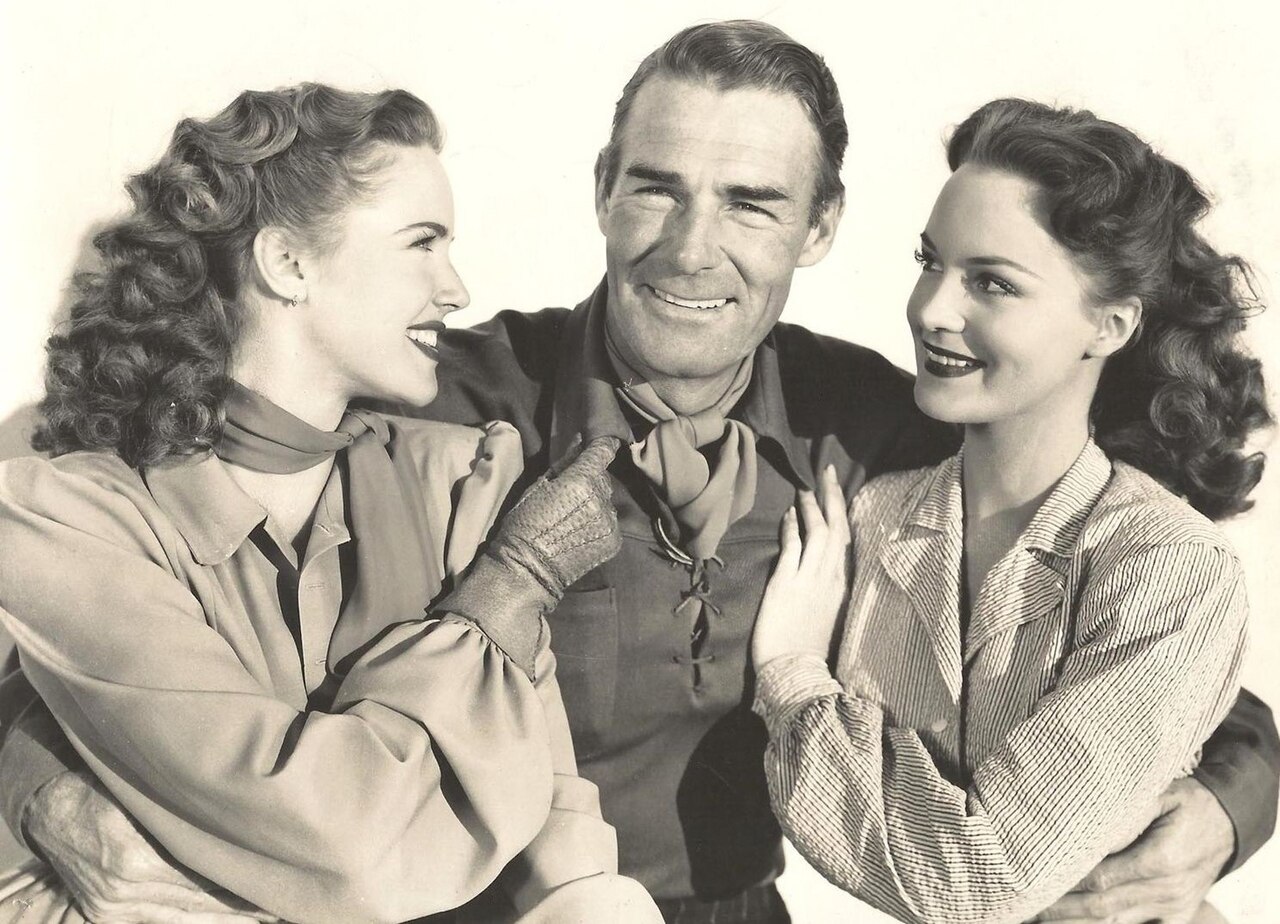
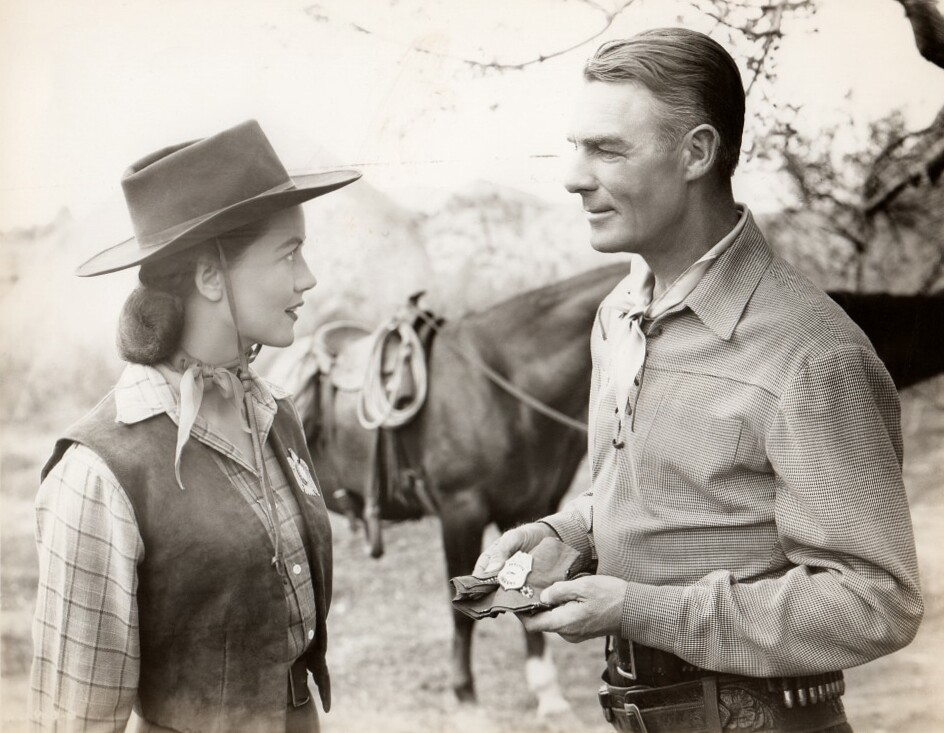
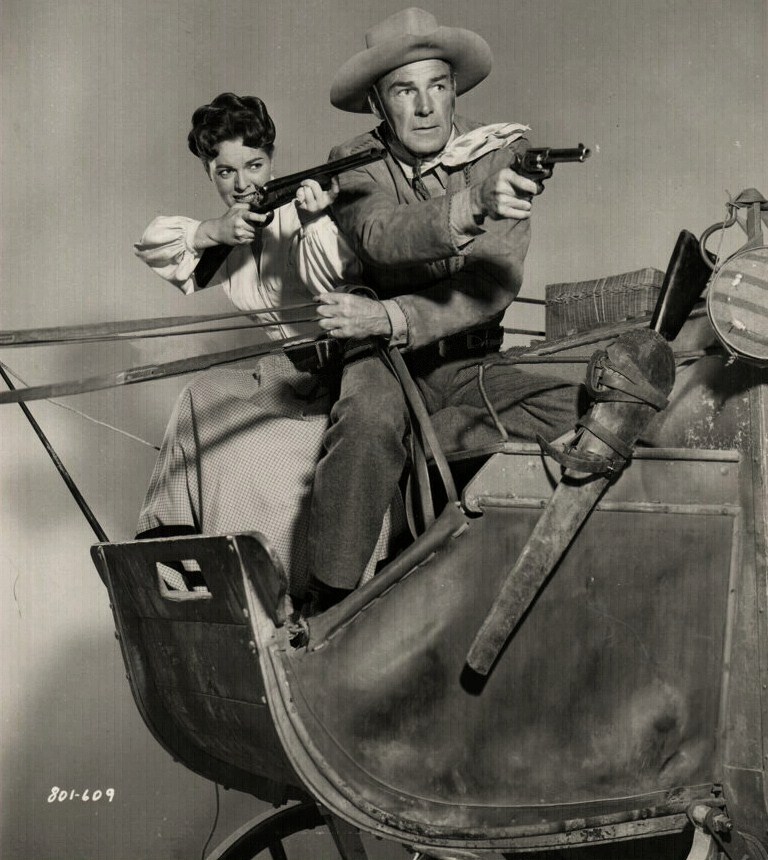
Randolph Scott was an American film actor whose Hollywood career spanned from 1928 to 1962. He was a leading man for all but the first three years of his cinematic career, appearing in more than 60 Westerns and over 40 dramas, comedies, musicals, adventures, war, horror, and fantasy films. During the early 1950s, he was a consistent box-office draw, appearing in the Motion Picture Herald Top Ten Polls and Quigley's Top Ten Money Makers Poll every year from 1950 to 1953.
- born
- January 23, 1898, Orange County, Virginia
- died
- March 2, 1987
- field
- Film actor
- nationality
- American
- known_for
- Leading man in Westerns and numerous film genres; consistent box-office draw in
Verified Timeline
Lore & Background
Scott was born in Orange County, Virginia, and reared in Charlotte, North Carolina, the second of six children of Scottish descent. His father was the first licensed CPA in North Carolina, and his mother was from a wealthy North Carolina family. Scott attended private schools and excelled in football, baseball, horse racing, and swimming. In World War I, he served in the North Carolina National Guard, trained as an artillery observer, and was commissioned a second lieutenant. After the war, he studied at Georgia Tech and the University of North Carolina, then worked as an accountant in his father's textile firm. Around 1927, Scott developed an interest in acting and moved to Los Angeles. With a letter of introduction from his father to Howard Hughes, he got a small part in Sharp Shooters (1928). He worked as an extra and bit player, then gained stage experience at the Pasadena Playhouse. In 1931 he played his first leading role in Women Men Marry (1931). He signed a seven-year contract with Paramount Pictures at $400 per week. His first role under that contract was a small part in Sky Bride (1932), but Paramount soon cast him as the lead in Heritage of the Desert (1932), establishing him as a Western hero. He went on to make ten B Western films based on Zane Grey novels, often using stock footage from silent versions. Paramount also cast Scott in non-Western roles, including horror films Murders in the Zoo (1933) and Supernatural (1933). He was loaned to RKO for Roberta (1935), Village Tale (1935), and She (1935). He appeared in Follow the Fleet (1936) and played Hawkeye in The Last of the Mohicans (1936), which gave him his first unqualified A picture success as a lead. He was a love interest for Mae West in Go West, Young Man (1936).
Reader's Guide
His early work in Zane Grey Westerns at Paramount provided a training ground for action and acting, and he successfully expanded into A films, musicals, and horror. His consistent box-office appeal from 1950 to 1953, reflected in both the Motion Picture Herald and Quigley polls, marks him as a reliable star during a period of changing audience tastes. Scott's military service in World War I, including training in horsemanship and firearms, directly informed his on-screen persona. His legacy rests on more than 60 Westerns and a wide range of other genres, making him a versatile figure in American cinema. The survival of prints such as Sharp Shooters at UCLA allows continued study of his early work.
Did You Know?
- Scott served as Gary Cooper's dialect coach on the 1929 film The Virginian.
- He was considered for the role of Ashley Wilkes in Gone with the Wind, but the part went to Leslie Howard.
- Scott's father was the first person licensed as a certified public accountant (CPA) in North Carolina.
- A print of Scott's first film, Sharp Shooters (1928), survives in the UCLA Film and Television Archive.
- Scott was a member of the Kappa Alpha Order at Georgia Tech.
Career Span & Box-Office Dominance
George Randolph Scott's screen career stretched across more than three decades, from his first appearance in 1928 through his final credits in 1962. After a brief period as a bit player and extra, he became a leading man for virtually the entire remainder of his time in Hollywood, a distinction that speaks to the breadth of his appeal. His filmography is remarkably varied: he headlined more than sixty Westerns while also appearing in over forty titles spanning drama, comedy, musical, adventure, war, horror, and fantasy genres. Yet it was in the early 1950s that his commercial clout reached its peak. For four consecutive years, from 1950 through 1953, industry trade publications recognized him as one of the most financially reliable stars in the business. His name appeared in both the Motion Picture Herald Top Ten Polls and Quigley's Top Ten Money Makers Polls during that entire stretch, a dual endorsement that underscored his status as a consistent box-office draw at a time when studios were still hungry for dependable leading men.
World War I Service & Its Lasting Influence
Before he ever stepped in front of a camera, Randolph Scott spent more than two years in uniform during the First World War. After the United States entered the conflict in April 1917, he enlisted in the North Carolina National Guard that summer and was trained as an artillery observer. Promotions came quickly—corporal by October 1917 and sergeant by February 1918. In May 1918 he reported to Fort Monroe, Virginia, and was assigned to the 2nd Trench Mortar Battalion, which sailed for France the following month. There the unit saw combat alongside the U.S. IV Corps in the Toul sector and the Thiaucourt zone. After the Armistice, the battalion joined the post-war occupation of Germany under U.S. VI Corps. Scott then attended the artillery Officer Candidate School at Saumur, earning a commission as a second lieutenant of Field Artillery in May 1919 before returning to New York and receiving his honorable discharge in June. Crucially, the skills he honed in service—horsemanship and marksmanship—became practical assets throughout his later film career.
The Long Road to Stardom
Scott's path to the screen was neither direct nor glamorous. Around 1927 he decided to try his luck in Los Angeles, and his father's acquaintance with Howard Hughes yielded a letter of introduction that landed him a small part in the 1928 George O'Brien picture Sharp Shooters. For the next couple of years he survived as an uncredited extra and bit player, working on films by John Ford, Cecil B. DeMille, and alongside Gary Cooper, for whom he even served as a dialect coach. On DeMille's suggestion he turned to the stage, taking roles at the Pasadena Playhouse that included a minister, a butler, Metellus Cimber in Julius Caesar, and Hector Malone in Shaw's Man and Superman. A 1932 performance in Under a Virginia Moon at Hollywood's Vine Street Theatre finally attracted studio attention. He signed a seven-year deal with Paramount at four hundred dollars a week. His first true leading role came in 1931's Women Men Marry, but it was Heritage of the Desert in 1932—directed by a then-unknown Henry Hathaway—that cemented his identity as a Western hero and launched a string of ten Zane Grey–based B pictures.
Family Roots & Pre-Film Education
Randolph Scott was born on January 23, 1898, in Orange County, Virginia, and grew up in Charlotte, North Carolina, as the second of six children in a family of Scottish heritage. His father, George Grant Scott, had pioneered the accounting profession in the state as North Carolina's first licensed CPA, while his mother, Lucille Crane Scott, came from a well-to-do Charlotte family. The family's comfortable finances allowed Randolph to attend private institutions like Woodberry Forest School, where his natural athleticism shone in football, baseball, horse racing, and swimming. After his military service, he enrolled at Georgia Tech, joined the Kappa Alpha Order, and aimed to earn all-American honors on the gridiron. A back injury derailed that ambition, so he transferred to the University of North Carolina to study textile engineering and manufacturing. He ultimately left school without a degree and took a position as an accountant at the textile firm where his father worked—a quiet, practical life that would last only a few years before the pull of Hollywood proved irresistible.
Gallery

Frequently Asked Questions
Who is Randolph Scott?
Randolph Scott was an American film actor born on January 23, 1898, in Orange County, Virginia, who became one of Hollywood's most recognizable leading men. He passed away on March 2, 1987.
What genres was Randolph Scott most associated with?
He is best remembered for starring in more than sixty Western films, though his range extended well beyond that single genre. Over his career he also appeared in over forty dramas, comedies, musicals, adventures, war pictures, and horror or fantasy films.
When did Randolph Scott's film career begin and end?
His on-screen career stretched from 1928 through 1962, a span of roughly three and a half decades. For all but the first three years of that period he worked as a leading man rather than a supporting player.
How successful was Randolph Scott at the box office?
During the early 1950s he was a reliable draw for theaters, landing in both the Motion Picture Herald Top Ten Polls and Quigley's Top Ten Money Makers Poll every single year from 1950 through 1953.
Why is Randolph Scott considered important in classic Hollywood history?
He represents a generation of rugged, physically imposing leading men who defined the studio-era Western on screen. His nearly four-decade career and consistent audience appeal make him a key figure for fans tracing the evolution of the genre from silent-film roots through the postwar era.
More in Classic Hollywood Icons 1-24
Related in Classic Hollywood Icons
Links follow this subject's own source article.
Elsewhere in the Classic Hollywood Icons universe
Spotted an error? Know more?
This is a living reference — every entry is fact-audited, and reader corrections feed straight into our audit queue. Suggest an edit · See this site's audit record